
At Kings Park Kitchens, we’ve designed and installed hundreds of kitchens across Glasgow and beyond, and one of the most common features our clients ask about is the kitchen island. It’s easy to see why—kitchen islands are often shown in glossy magazine spreads, they appear in stylish home renovation TV shows, and they’re a major selling point in property listings. But before you fall in love with the idea of an island, it’s worth stepping back to ask the question: is a kitchen island right for your space?
While kitchen islands can be incredibly functional and visually appealing, they don’t suit every layout or lifestyle. The answer depends on a number of factors including the size of your kitchen, how you use the space day to day, and what your overall design goals are. Whether you’re upgrading your existing kitchen or planning a brand-new fitted kitchen in Glasgow, understanding the role a kitchen island plays is key to getting the best possible outcome.
What Is the Purpose of a Kitchen Island?
At its core, a kitchen island is a freestanding unit that sits in the middle of the kitchen. But it’s far more than just a block of cabinetry. A well-designed island can provide extra worktop space for food prep, create a more social environment, add storage, house appliances, and even serve as a casual dining area. In open-plan living spaces, it can also act as a natural divider between the kitchen and living or dining areas, allowing the kitchen to feel integrated but still clearly defined.
For many of our customers, the kitchen island becomes the heart of the home. It’s where kids do their homework while dinner is cooking. It’s where friends gather for a glass of wine. It’s where you can set out a buffet during a party or lay out ingredients for batch cooking at the weekend. However, these benefits only materialise when the island is properly proportioned and thoughtfully integrated into the overall kitchen layout.
Does Your Kitchen Have Enough Space?
One of the most important considerations when thinking about installing a kitchen island is whether your space is physically large enough to accommodate one. At Kings Park Kitchens, we recommend leaving a minimum clearance of one metre around all sides of the island so you can comfortably move around, open cabinets and appliances, and allow more than one person to be in the kitchen at once.
This means that your kitchen needs to be at least four metres wide to allow for a central island with appropriate spacing around it. If your kitchen is smaller than that, an island might end up making the space feel cramped or difficult to navigate. In these situations, we often suggest alternative solutions like a peninsula, which offers many of the same benefits but attaches to a wall or run of cabinets, saving space while still enhancing functionality.
Of course, it’s not just about the raw dimensions—it’s also about how you live in your kitchen. If your home is the kind where people are always coming and going, or if your kitchen is a main thoroughfare to other rooms, adding a bulky island can disrupt the flow. But if you have the square footage and a well-thought-out layout, an island can elevate your kitchen in both form and function.

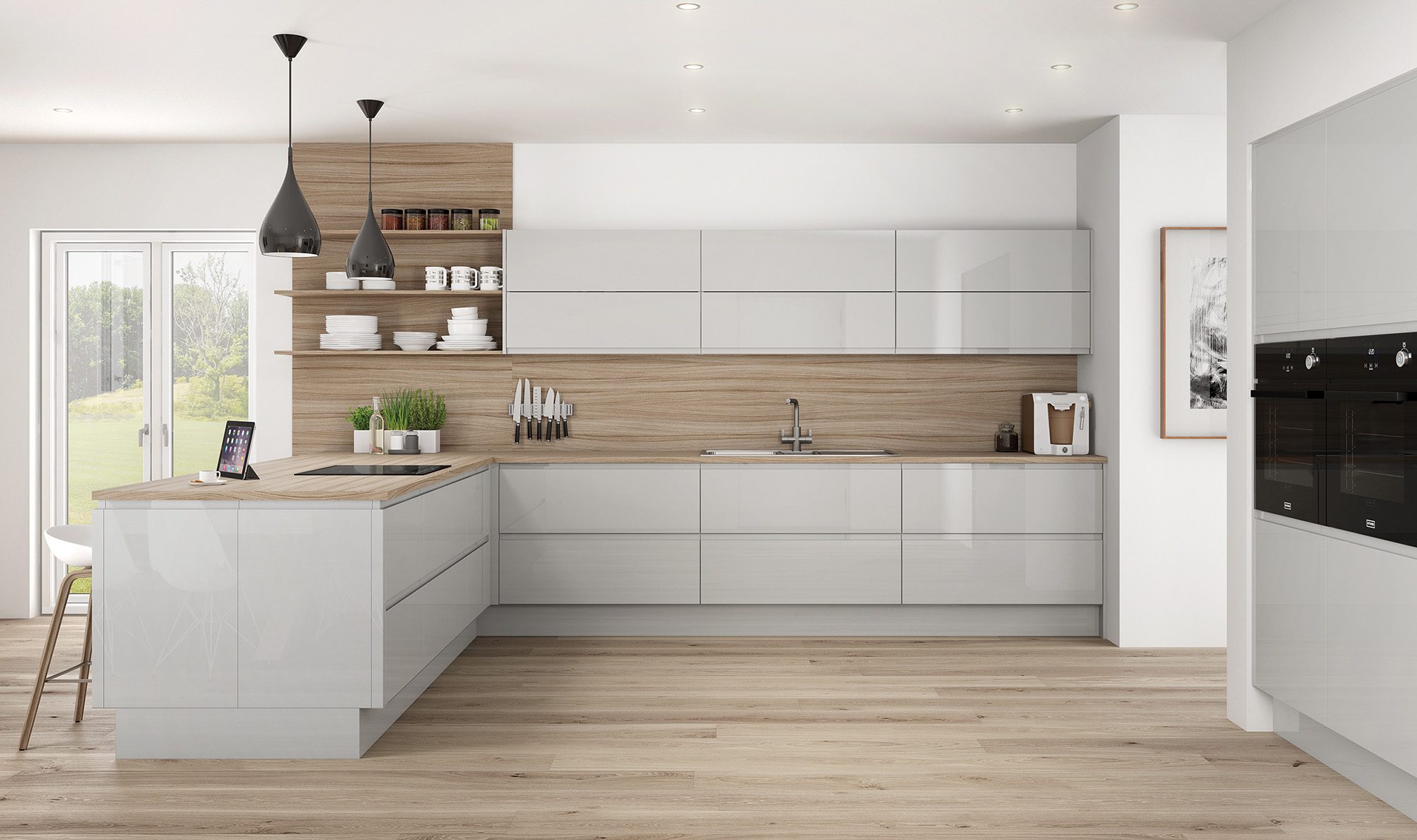
Kitchen Islands as a Design Feature
Beyond functionality, a kitchen island can also be a powerful design statement. It offers an opportunity to play with contrasting colours, textures, or materials. For instance, if your main cabinetry is a classic white or dove grey, the island could be finished in navy, deep green, or even a natural wood tone to add warmth and visual interest.
We often recommend incorporating different materials for the island worktop too. A stone or quartz worktop with subtle veining can offer elegance and durability, while timber adds a warm, tactile quality. Lighting also plays a big role here—pendant lights above the island not only help illuminate the workspace but can also become a stylish focal point in the room.
Open shelving or glass-fronted cabinets on the outward-facing side of the island can provide space to display cookbooks, plants, or decorative items, allowing you to infuse a bit of personality into your kitchen. Or, if you prefer a cleaner look, handleless cabinets and flush finishes can help the island blend seamlessly with the rest of your fitted kitchen.
Adding Seating to Your Island
One of the most common requests we receive at Kings Park Kitchens is to include seating at the island. It’s a great idea if you’re aiming for a more casual dining experience or want to create a social hub in your kitchen. However, island seating requires additional space—not only for the stools themselves but also for people to sit comfortably without bumping elbows.
In general, you’ll want to allow at least 60 centimetres of width per person when planning seating. You’ll also need to factor in an overhang of the worktop so people have room for their knees, and you’ll want to ensure there’s enough clearance behind the seating for people to walk past. If these dimensions work within your space, island seating can be a fantastic addition that makes your kitchen more versatile and welcoming.
Incorporating Appliances or Plumbing
Another decision to make is whether your island should include any integrated appliances or plumbing. Many modern kitchen islands include a hob, sink, or even a wine fridge. This can enhance the efficiency of your kitchen by allowing you to prep, cook, and clean in a more centralised way. However, these features also come with practical considerations.
Adding a hob means thinking about ventilation. In an open-plan setting, you may need a downdraft extractor or ceiling-mounted unit to control steam and cooking smells. Incorporating a sink will require plumbing and waste connections, which can add to the cost and complexity of the project. And fitting any appliance—be it a dishwasher, microwave or fridge drawer—will require access to power, which needs to be carefully planned during installation.
These integrations are completely achievable and can make your kitchen island an ultra-functional hub. But they should always be planned in the early stages of your kitchen design to ensure the layout works holistically and avoids future headaches.
Kitchen Islands for Entertaining
For many of our Glasgow clients, especially those with open-plan layouts, the kitchen island becomes the go-to spot for entertaining. Whether it’s a family breakfast or evening drinks with friends, the island serves as a natural gathering point. It allows the host to remain part of the conversation while preparing food or drinks, breaking down the barriers between cooking and socialising.
In this context, the island can act almost like a bar or buffet station. You might include built-in wine storage, a beer fridge, or even an extendable worktop that acts as a serving station. The layout can also be tailored to suit the kind of entertaining you do. Some clients prefer dual-height islands, with one level for cooking and another for dining, while others go for a single flat surface that keeps everything simple and sleek.


Maintenance and Practicality
While kitchen islands can be a stylish addition, they also need to stand up to everyday life. The surface you choose should be durable and easy to clean, especially if the island is used for food prep or dining. Quartz is a popular option thanks to its stain resistance and non-porous nature, while granite and marble offer timeless elegance with a bit more upkeep.
Storage is another practical concern. Many islands include cupboards, deep drawers, or integrated bins to help keep the rest of the kitchen clutter-free. Some designs also include a power socket or USB charging point, turning the island into a multi-functional space that supports both cooking and modern living.
It’s worth considering how you plan to use the island long-term. If it’s purely a prep space, you’ll want ample worktop surface and easy access to chopping boards, knives and other tools. If it’s a casual dining area, comfort and accessibility are key. Understanding your own lifestyle will help guide the decisions you make during the design phase.
When a Kitchen Island Isn’t the Right Fit
While islands can be wonderful, they’re not a one-size-fits-all solution. In some kitchens, trying to squeeze in an island can do more harm than good. If it compromises walkways, restricts appliance doors from opening fully, or makes the kitchen feel claustrophobic, it may be better to explore other layout options.
That’s where our expertise at Kings Park Kitchens comes in. We’ll always be honest about what works for your space and your lifestyle. Sometimes a large central table or a well-placed peninsula offers a better mix of function and flow. The key is to design a kitchen that works beautifully for you—not just on paper, but in real life.
Trusting a Local Expert
As a family-run business rooted in the local community, Kings Park Kitchens understands what Glasgow homeowners want from their kitchens. Whether you’re looking to design a contemporary showstopper or a traditional space with timeless charm, we bring local knowledge, design expertise, and a commitment to quality that sets us apart.
When we say we specialise in helping you create the perfect fitted kitchen in Glasgow, we mean it. Every project is tailored, every detail considered, and every client treated with the care and attention they deserve. We don’t just follow trends—we help you define a kitchen style that suits your needs, space, and the way you live.
Final Thoughts: Is It Right for You?
Deciding whether a kitchen island is right for your space ultimately comes down to a balance of form, function, and flow. If you’ve got the room, the lifestyle, and the vision, an island can be an incredible asset that transforms the way you use your kitchen. But if the space isn’t quite right, don’t worry—there are plenty of other ways to achieve the kitchen of your dreams.
At Kings Park Kitchens, we’re here to help guide you through every decision, from layout to finishes to final installation. Whether you’re dreaming of a bold kitchen island or seeking the perfect layout for your Glasgow home, we’d love to bring your vision to life. Contact us today.
