
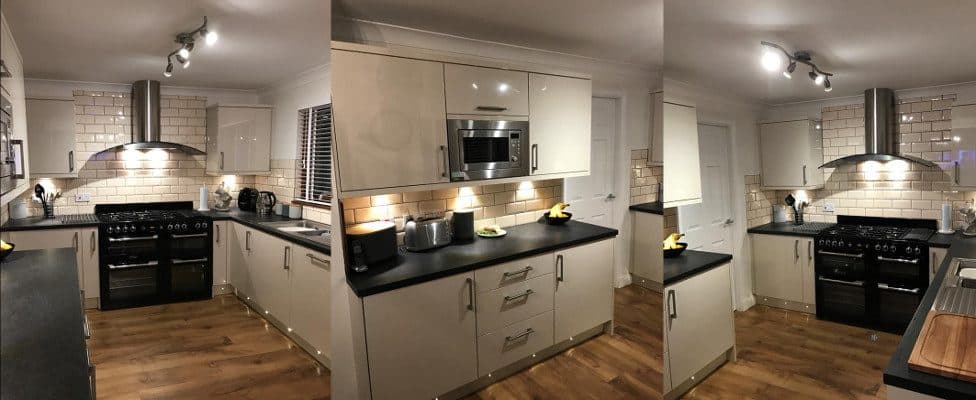
Choosing a kitchen is only part of creating a successful new space. Choosing the right professional kitchen fitter is just as important. Even high-quality cabinets, worktops and appliances depend on careful installation if they are going to look right and work properly.
Price will naturally influence your decision, but it should not be the only consideration. A professional kitchen fitter should provide clear information, careful preparation and workmanship you can have confidence in.
Understanding what to look for can also make comparing quotations much easier. Here are seven things worth expecting when choosing someone to fit your new kitchen.
What Should You Expect From a Professional Kitchen Fitter?
Kitchen fitting involves considerably more than fixing cabinets to a wall. Measurements must be accurate, worktops need careful fitting and appliances have to sit correctly within the finished layout.
Depending on the project, plumbers, electricians or other qualified trades may also need to become involved. Good planning helps bring these different elements together without unnecessary disruption.
1) A Thorough Pre-Installation Survey and Plan
Good kitchen fitting starts before the first cabinet is installed.
Measurements need to be accurate, while the fitter should also understand the condition and shape of the room. Uneven floors, walls that are not completely straight and existing pipework can all affect an installation.
The positions of sockets, plumbing, appliances and other services may also influence the final layout. Identifying potential issues before fitting begins can prevent avoidable problems later.
This preparation becomes particularly important in older properties, where rooms may contain unusual angles or previous alterations. Reading about common kitchen fitting challenges can help you understand why careful preparation matters.
A professional approach should leave you with a clear understanding of how the proposed kitchen will work within the available space.
2) A Clear Written Quotation
You should understand what you are paying for before agreeing to the work.
A written quotation should set out the agreed scope as clearly as possible. This could include cabinet fitting, worktops, appliances, plumbing, electrical work, waste removal or other services relevant to the project.
Not every quotation will be structured in exactly the same way. However, it should be clear which services are included and which may create additional costs.
It is also worth understanding the difference between a quotation and an estimate. If aspects of the project cannot be priced accurately until work begins, the fitter should explain this before you commit.
Our guide to what a fully fitted kitchen includes provides further information about the different elements that may form part of a complete installation.
3) Evidence of Previous Kitchen Fitting Work
A professional fitter should be able to demonstrate experience rather than simply tell you about it.
Photographs of previous kitchens can be particularly useful. They allow you to look at the quality of cabinet alignment, worktop fitting, finishing details and completed layouts.
Independent reviews can provide another useful source of information. Look for patterns rather than focusing on one particularly positive or negative comment.
Repeated feedback about communication, reliability, workmanship and tidiness can help you build a clearer picture of how a company operates.
Local experience can also be valuable. Fitters who regularly work in properties around your area are likely to have encountered a wide range of layouts and building styles.
4) Clear Communication Throughout the Project
Having a new kitchen fitted will inevitably cause some disruption.
Clear communication makes the process much easier to manage. You should know who to contact if you have a question and have a reasonable idea of what will happen during each stage.
Some fitting companies provide regular progress updates, while others may simply discuss changes or important developments as they arise. The exact approach can vary, but you should never feel unsure about who is responsible for your project.
A good fitter should also tell you when an unexpected problem affects the agreed work.
Older plumbing, hidden damage or uneven surfaces may only become obvious once the existing kitchen is removed. Explaining these issues clearly gives you the opportunity to understand the available options before additional work takes place.
5) Qualified Trades and Properly Coordinated Installation
Kitchen fitting can involve several different skills.
Cabinet installation and joinery may sit alongside plumbing, electrical alterations, appliance installation and, in some kitchens, gas work. Not every kitchen fitter will personally carry out every part of the job.
What matters is that specialist work is completed by an appropriately qualified person when required.
Gas work, for example, should be completed by a Gas Safe registered engineer. Electrical work must also meet the relevant requirements for the type of work being carried out.
Coordination is important too. Poor scheduling between different trades can create delays and make the fitting process unnecessarily complicated.
Using a company that offers full kitchen installation services can make this easier because different stages of the project can be planned around the wider installation.
6) Appropriate Insurance and Verifiable Credentials
Before appointing a kitchen fitter, it is sensible to check the business behind the quotation.
Established contact details, examples of previous work and independent reviews can all help you assess whether a company is genuine.
You can also ask about insurance that is relevant to the work being undertaken. Do not be afraid to request clarification if you are unsure what protection applies during the installation.
Trade directories and consumer platforms can provide another layer of reassurance, particularly when memberships or profiles can be independently verified.
Warranties should also be explained clearly.
Appliances, cabinets and other products may carry manufacturer warranties, while any workmanship arrangements are separate. A reputable company should be able to explain what applies to your particular kitchen without making vague promises.
7) Proper Finishing, Snagging and Aftercare
A kitchen should not simply be considered finished because the major units have been fitted.
Take time to inspect the completed installation. Doors and drawers should operate correctly, worktops should sit properly and visible finishing details should look consistent.
Small adjustments are common at the end of many home-improvement projects. If something requires attention, there should be a clear way to raise it with the fitter.
Waste removal and cleaning arrangements should also match whatever was agreed before the work started.
Where applicable, you should receive relevant appliance information, warranty documents or certificates relating to specialist work.
The aim should be a kitchen that feels properly completed rather than a fitter simply leaving as soon as the main installation is in place.
Red Flags When Choosing a Kitchen Fitter
Most homeowners simply want a reliable company that will complete the agreed work professionally. However, a few warning signs should encourage you to ask further questions before committing.
Be cautious if a trader refuses to put important details in writing or gives only vague information about costs. Requests for a very large payment before any work or materials have been supplied should also be questioned.
High-pressure sales tactics are another warning sign. You should have enough time to consider a quotation and understand what you are agreeing to.
You should also be able to verify who you are dealing with. Check business details, reviews and any memberships or credentials being presented to you.
If insurance is relevant to the work, ask what cover the contractor holds rather than simply assuming it is in place.
For independent information about employing traders and arranging home improvements, Citizens Advice Scotland provides useful consumer guidance.
Professional Kitchen Fitter Checklist
A simple checklist can make it easier to compare different kitchen fitting companies.
| What to Check | What to Look For |
|---|---|
| Preparation | Accurate measurements and sensible planning before fitting begins |
| Quotation | Clear written information explaining the agreed work and costs |
| Experience | Genuine examples of previous installations and independent feedback |
| Communication | A clear point of contact and straightforward explanations |
| Specialist work | Appropriately qualified trades where plumbing, electrical or gas work requires them |
| Credentials | Verifiable business details, reviews and relevant insurance information |
| Aftercare | A clear process for dealing with adjustments or concerns after fitting |
You do not need every company to follow an identical process. What matters is that you understand what they will provide before agreeing to the work.
Looking for a Professional Kitchen Fitter in Glasgow?
Kings Park Kitchens provides kitchen design and fitting services for homeowners across Glasgow and surrounding areas. The company also has a permanent showroom on Aikenhead Road, where customers can explore kitchen styles, finishes and different design options.
Visiting a Glasgow kitchen showroom can be particularly useful before making final decisions. Seeing cabinetry, worktops and finishes in person often makes it easier to understand how different combinations could work within your own home.
When the time comes for installation, working with experienced professional kitchen fitters in Glasgow helps ensure the design is translated carefully into the finished kitchen.
Whether you are replacing an outdated kitchen or planning a larger redesign, Kings Park Kitchens can help you explore the available options and plan the next stage of your project.
Contact the team today to discuss your ideas or arrange a consultation.